Who owns the moulds and artwork?
- Share
- Issue Time
- Nov 17,2026
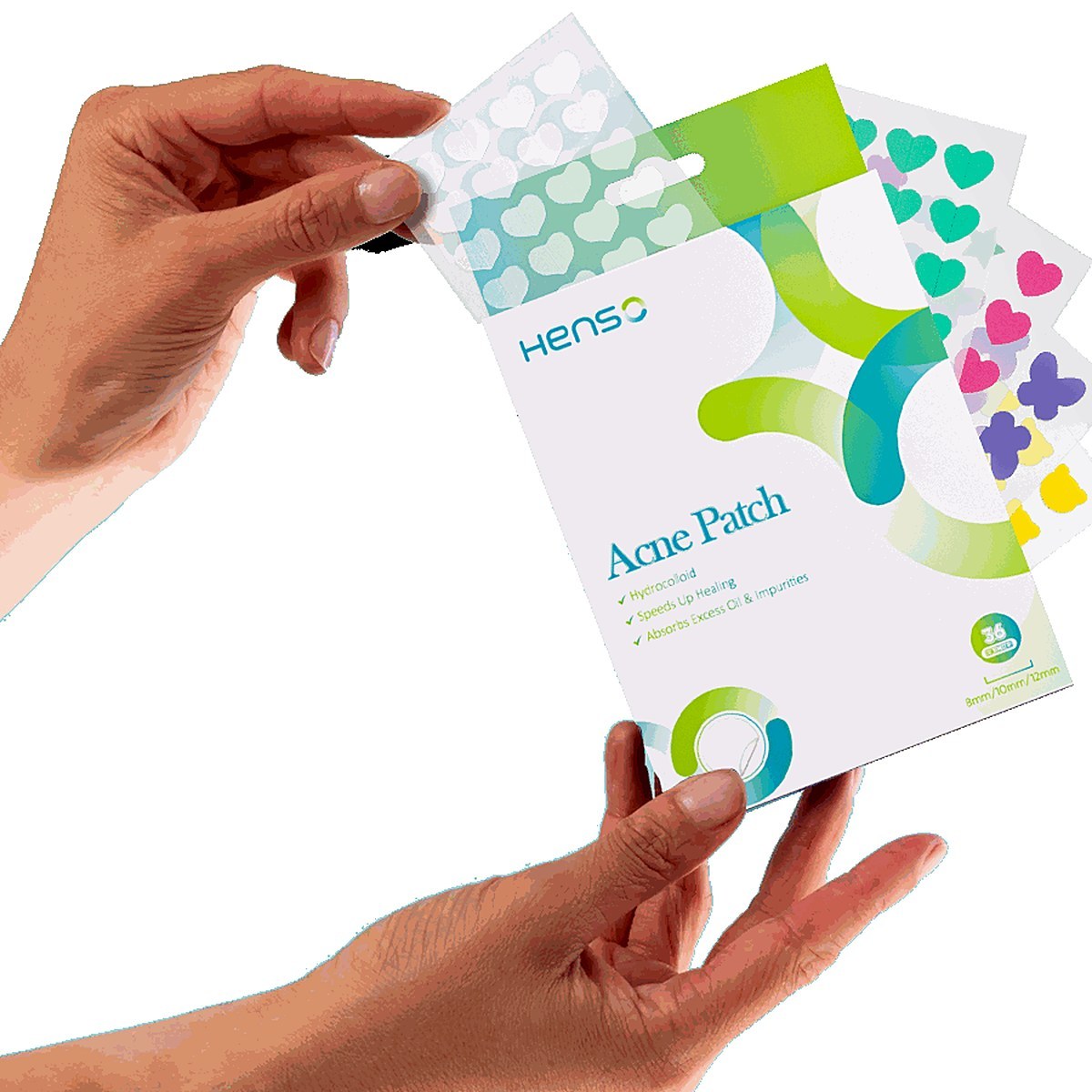
Short answer: if you paid for the die, the die is yours. The artwork is yours the moment you send it. What we hold is custody, not ownership — and the only thing that makes that real is a clause in the contract rather than an assumption in an email.
Who owns what, line by line
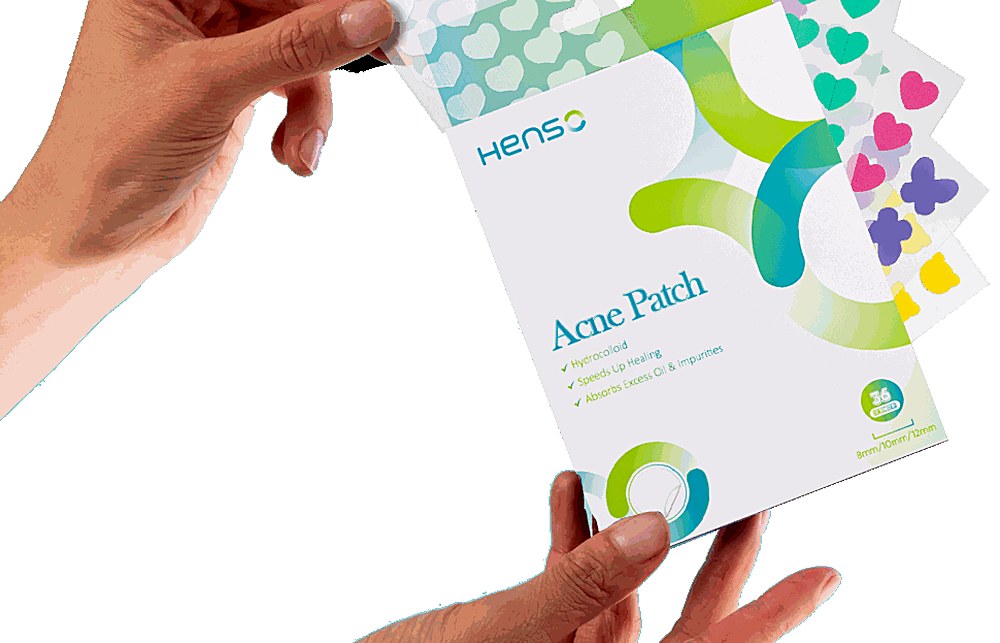
The last row is where most disputes start. Star, heart, circle and the common rounded-square shapes come from tooling we already own; ordering one of those gives you a product, not a design right. A die made specifically to your drawing is a different object, and that one follows your payment.
Three clauses to write into the contract
What happens when the relationship ends
Three options, and it is better to choose one now than to negotiate it in a bad month. The die can be shipped to you or to your next supplier at your cost, which is the cleanest exit. It can stay with us under a storage arrangement, which keeps reorders possible but ties you to us for lead time. Or it can be destroyed against a written certificate, which is what most buyers choose when the design is being retired for legal reasons rather than commercial ones.
Artwork is simpler: the production files are returned on request, and we keep a copy only for as long as we are obliged to keep batch records. What we will not do is keep using a retired design on someone else’s pack.
Where ODM differs from OEM
In OEM you bring the design and the die follows your payment. In ODM you are choosing from formulas and shapes we already run, so the tooling stays ours and other customers can order the same construction. That is not a worse deal — it is a faster one, with a shorter tooling stage and no setup invoice. It just does not come with exclusivity, and confusing the two is how buyers end up disappointed.
The two questions to ask before paying tooling
First: is this shape new, or is it a stock die you already hold? The answer changes what you are buying and what it should cost. Second: does the tooling invoice state ownership, or does it only state a price? A tooling charge with no ownership clause buys you a production run, not an asset — and we would rather tell you that before you pay than after.