The RFQ That Gets a Useful Answer in 24 Hours
- Share
- Issue Time
- Nov 11,2026
Summary
Most acne patch RFQs return a price and nothing else. The nine fields that decide cost, what a good reply contains, and a template you can copy — plus how the fields set the calendar, not just the number.
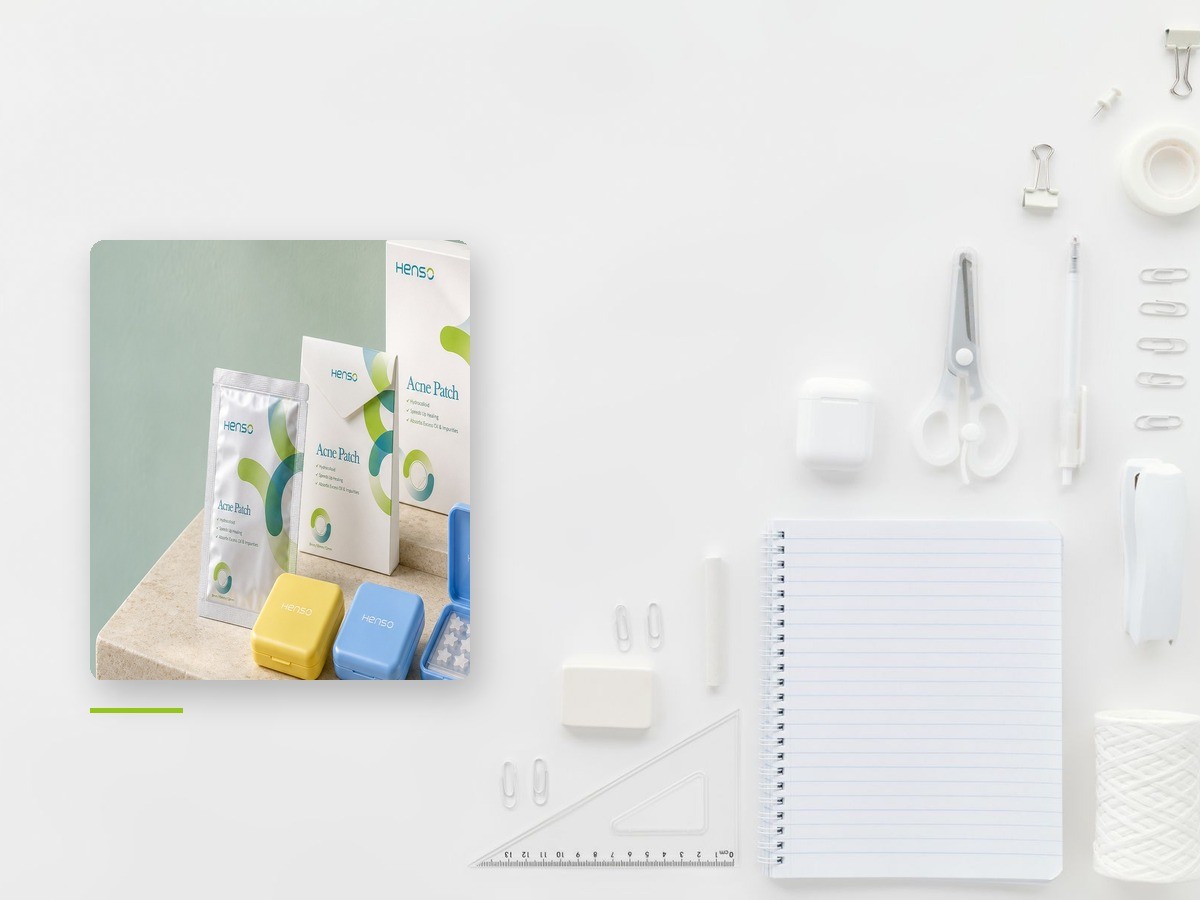
Most RFQs get a price. Very few get an answer. The difference is not how politely you ask — it is whether the nine fields that decide cost are present in the first email.
A factory can quote a number from three fields: shape, size, quantity. It cannot tell you whether that number is achievable, which line it will run on, or what will break first. Send the nine fields below and the reply changes from "USD 0.08/pc" to something you can plan a launch around.
The nine fields
What happens after you press send
Our fastest realistic path is seven days for a sample, seven days for your approval, then a purchase order — roughly two weeks to a production slot. That timeline only exists if the artwork is final on day zero; a change after sampling resets the clock rather than shortening it.
Within one business day. We reply with the line assignment, the die cost, and the two or three fields that are missing. If the shape cannot be produced at your target cost, we say so here rather than at sample stage.
Sample stage. You receive a physical sample plus the thickness and peel measurements it was made to. Sign the sample, not the photo — the photo will not settle an argument in six months.
After approval. Tooling is cut, the die belongs to you once the fee is paid, and the production slot is booked against your PO.
Three questions worth adding
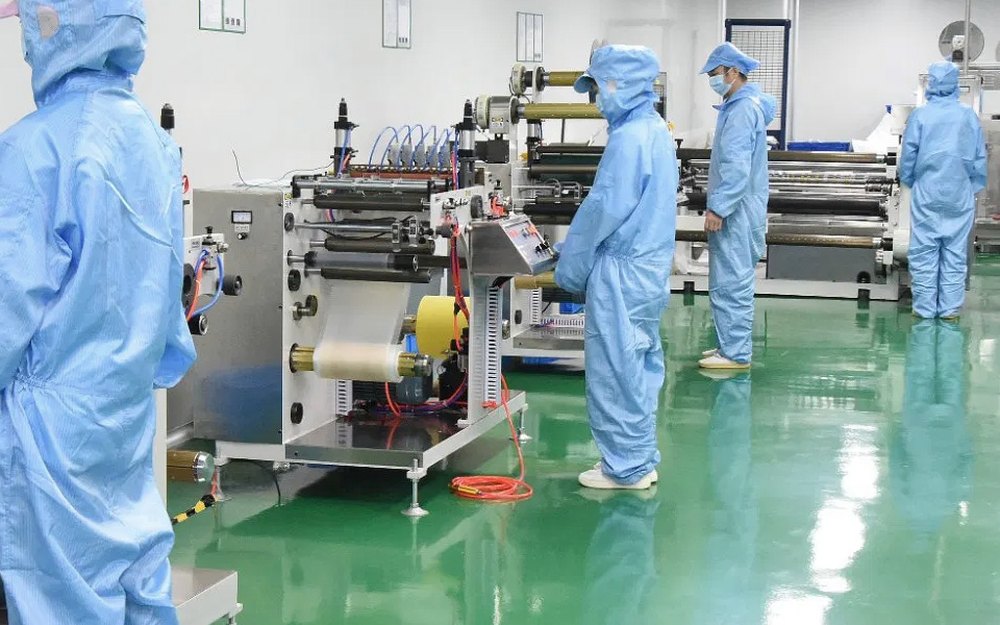
Beyond the nine fields, three questions separate a factory from a trading office without requiring a factory visit: who holds the die drawing after the order ships, which batch records follow the goods, and which line will run this thickness. A trader can answer the first two by asking someone; the third usually goes quiet.
A template you can copy
Subject: Acne patch RFQ — [brand], [market], [quantity]
1. Shape: attached PDF, outline drawing with dimensions
2. Sizes: 8 mm, 10 mm, 12 mm mixed per sheet
3. Thickness: 0.25 mm (or advise)
4. Sheet: 8 patches per sheet, 8 sheets per pack
5. Pack: foil pouch, resealable; secondary carton with 36-count tin for retail
6. Artwork: print-ready AI, CMYK, attached
7. Quantity: 50,000 packs first order, 150,000/year after
8. Market: US; also listing in UK
9. Target landed: please include FOB and DDP to [warehouse]
Questions: die ownership and storage, sample lead time, which certifications apply.
What a good reply looks like
Not a price list. A good reply names the line, gives the die cost separately, states the thickness it assumed, lists the two assumptions it made about your artwork, and tells you what would have to change if the target cost is firm. If the reply is a PDF of products, the sender did not read the email — which is itself an answer about how they will handle your order.
Why the fields change the calendar, not just the price
Seven days for a sample is achievable on a complete brief and impossible on a partial one, because every missing field turns into a question, and every question adds a day of round trip. The nine fields do not make the factory faster; they remove the queue of clarifications that sits between your email and the first coating run.
The same applies after approval. A pack format chosen late reopens the packing line booking; a size changed after the die is cut reopens tooling. Buyers who plan a launch date usually find the constraint is not production speed but the number of decisions still open when the PO lands.
Send the nine fields and you will get the line assignment, not a brochure. We answer within one business day, and the first document is an NDA if you need one.
Send your RFQ