Sleep Aid Patch Market: Channels, Buyers and Pack Architecture
- Share
- Issue Time
- Sep 18,2025
Summary
Five channels buy sleep patches in five different packs. What DTC, pharmacy, gift, hotel and corporate buyers need, and how pack structure sets price.
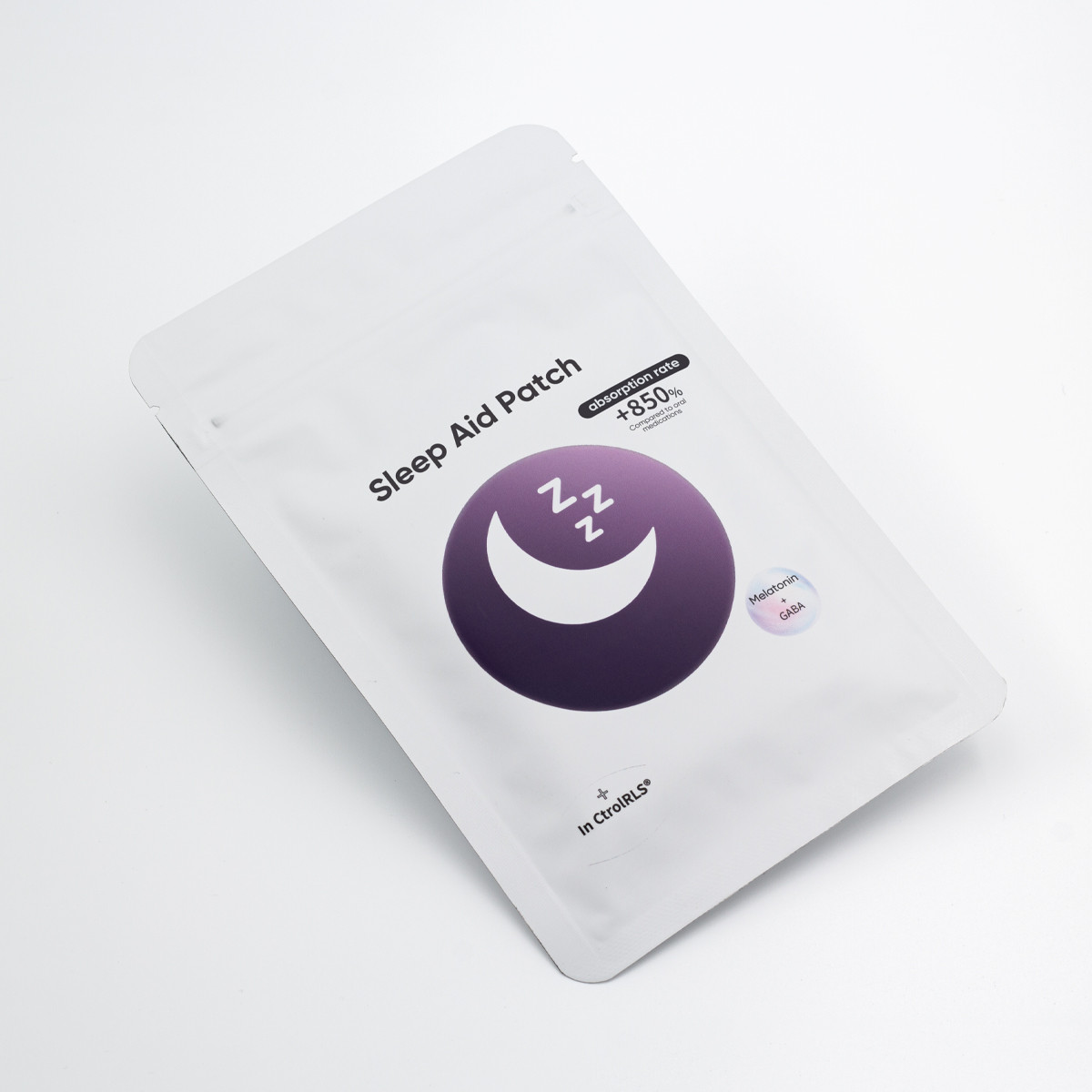
The same patch sells in five different places, and each one wants a different pack. A subscription box and a pharmacy shelf buy the same product in different counts, different formats and different price logic. Getting the pack wrong is the most common reason a good formula stalls.
This is the commercial half of the sleep patch category: who buys, what they buy, and what that means for the pack you should be quoting. For the construction side, see how the patch is built.
Five buyers, five pack logics
The pattern behind the table: the more the buyer needs to see the product before purchase, the more the pack has to do. A subscription box can ship a plain pouch because the customer already bought. A pharmacy cannot — the card is the salesperson.
Why the pack, not the patch, sets the price
In this category a patch costs a fraction of what the consumer pays, and the pack carries the rest: printing, carton structure, tooling, assembly time, freight volume. That is why moving from a pouch to a printed carton can change the retail price more than changing the formula does.
It also means the cheapest pack is rarely the most profitable. A pouch that costs least per unit can lose on shelf because nobody picks it up. The right question is not "what is the cheapest pack" but "what does this channel need the pack to do".
Portfolio logic: two formulas, three packs
The category has a split that is regulatory, not creative. Melatonin is a dietary supplement in the United States but a prescription medicine in the United Kingdom, and its status varies across the European Union. That single fact usually forces a two-formula range: one with melatonin for markets where it can be sold as a supplement, one without for markets where it cannot.
Three packs then cover most of the range: a small pouch for DTC and travel, a blister card or carton for retail, and a multi-pack carton for gifting and corporate. That is a range a buyer can actually manage, and it keeps tooling to a minimum.
What a reorder tells you
- Reorder of the same pack count — the product is working; the next lever is a second size or a bundle, not a redesign.
- Reorder with a count change — the channel found its price point; check whether the pack structure still fits before reprinting.
- No reorder after a strong first order — usually sell-through, not the product; ask what the shelf looked like.
Because a custom pack carries its own minimum and its own tooling clock — carton tooling runs 10–14 days — a reorder that changes the pack structure is effectively a new project. Reorders that keep the pack are repeat orders, and they are the cheapest revenue a brand has.
The mistake to avoid
Launching five markets with one pack and one formula. It looks efficient on a spreadsheet and fails in practice: the claims that are legal in one country are not legal in the next, and the pack that suits a pharmacy looks expensive in a subscription box. Two formulas and three packs is a smaller, more durable range than one SKU stretched across five channels.
Tell us the channel and the market first, the formula second. The pack follows from where the product is sold, and quoting it the other way round is how launches end up with a carton nobody needed.
Request a quote