Private Label: When You Want the Brand Only
- Share
- Issue Time
- Nov 12,2026
Summary
Private label acne patches: six print positions where your brand can go, the lot code you cannot remove, and which legal entity must appear on the pack.
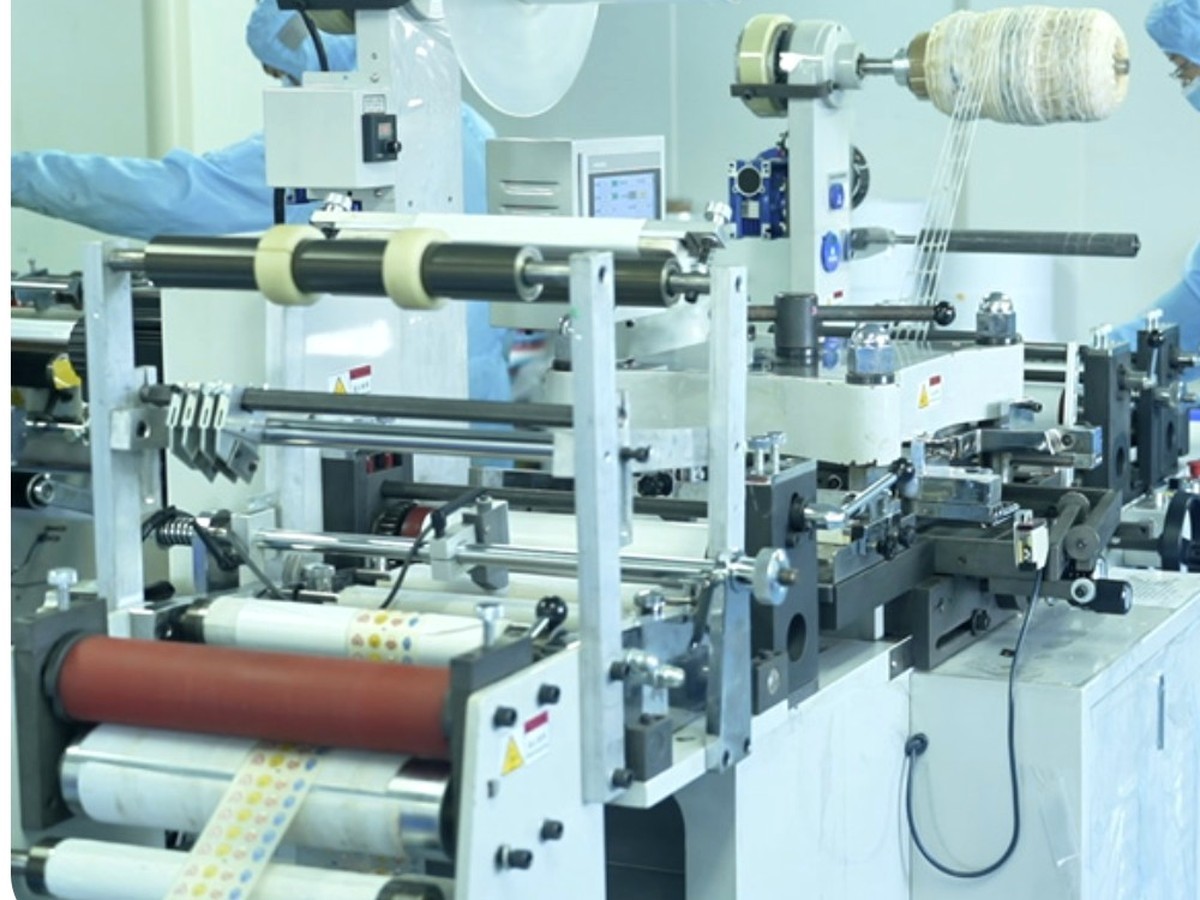
Private label is the shortest route to a shelf, and the most misunderstood. You are not commissioning a product — you are buying one already in production, at a specification already running, and changing the identity on it. That is a real advantage: no tooling, no formula risk, weeks instead of months. It also means four decisions stay with you, and most buyers discover two of them after the artwork is signed off.
What private label does not include
If you expect a new shape, a new matrix or a different absorbency, that is OEM or ODM, and it is a different conversation with a different calendar. Private label gives you a product from the existing platform — the same die family, the same laminate, the same converted format — with your brand on the positions where a brand can go.
The distinction that matters commercially is not prestige, it is who carries the risk. In OEM the shape risk is yours: if the die is cut and the outline does not sit flat on a jawline, that is a new die, not a complaint. In private label the format is already proven — the risk you carry is the artwork and the claim.
Six positions where your brand can appear, and one where it cannot
Artwork arrives as a flat file and leaves as six different print jobs. Knowing which position does what is the difference between a pack that looks designed and a pack that looks assembled.
The mark you cannot remove
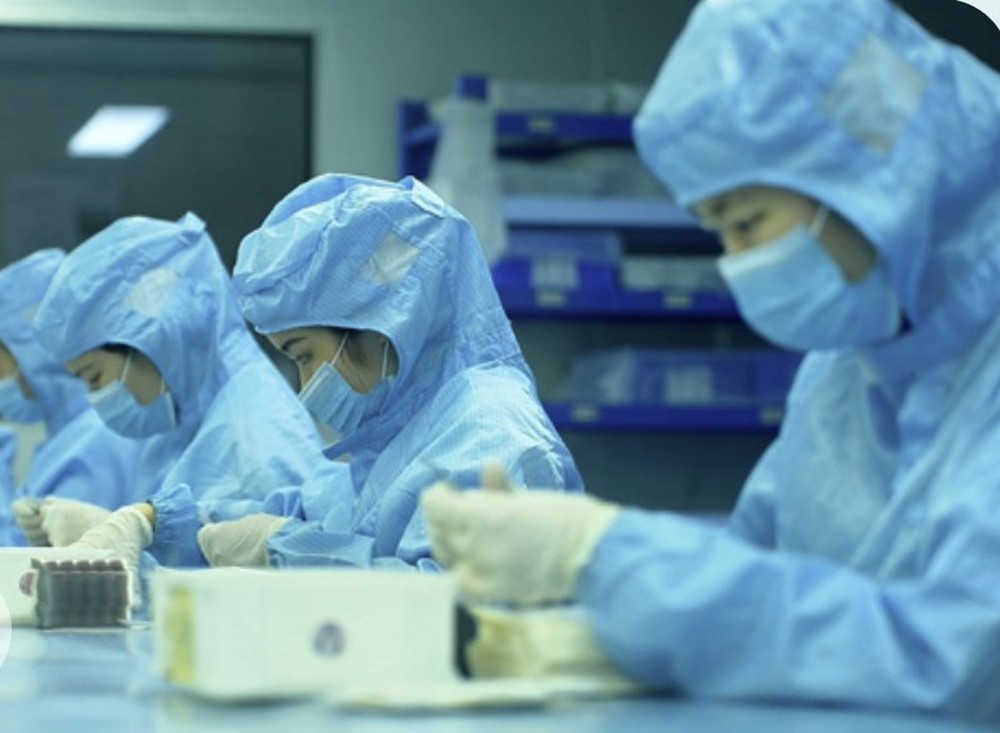
A private label pack is anonymous in the way that matters: the factory name does not have to appear. The batch code is different. Every pouch and carton leaves with a lot code, because that code is the only route from a complaint back to a coating run, a raw material lot and a set of inspection records.
We print it and we retain the matching records, which is what makes a recall possible in days instead of months. Buyers occasionally ask to drop it to keep the pack clean. We decline, and not for legal caution — a pack without a batch number cannot be withdrawn from a shelf, and no serious retailer will list one. The mechanics of that record trail are in how patches are inspected.
One line that saves a reprint: decide the legal entity block before the artwork is finalised. It is the single most common cause of a second print run, and it is the one element that cannot be improvised at the prepress stage.
Who has to be named on the pack
"Can my pack carry no factory marking?" is really a question about which legal entity is named. The answer differs by market, and in two of the three, the answer is your own address.
So the front of the pack can carry only your brand, and the factory name can be absent. What cannot be absent is a legal entity a regulator can reach. That entity is not us — we are the manufacturer, and we appear in the documents, not necessarily on the shelf.
Licensed characters sit on a different contract
Character designs are the one area where "private label" does not simplify anything. The licence chain runs from the brand owner to our client, and from our client to us as the manufacturer. We hold no character licences of our own — not for Sanrio, Sesame Street, SpongeBob or Peanuts, and not for smaller properties.
Practically: if your pack carries a licensed character, you provide the licence reference and the licensor's artwork approval, and the artwork travels under NDA. Without that, we do not print it. Buyers who assume the factory can "just make it like the one on the shelf" are the ones who lose a deposit.
Two of the loose ends on this page have their own answers. Artwork and dielines shared before a purchase order are covered by a mutual NDA — the clause list is in Can you sign an NDA before we share artwork and dielines? And the full set of options beyond the standard platform sits on the customisation page.
What actually takes the time
Sampling runs seven days from final artwork, approval is seven days on your side, and from the purchase order it is about half a month into mass production. On a standard platform there is no new die, so there is no tooling fee. Where a new die is needed, it is charged once, becomes your property, and is stored in our workshop for your orders only.
Artwork in the wrong colour space. RGB gradients on a spot-colour pad print come back as a colour you did not approve. Convert before the sample, not after.
No legal entity block. The pack goes to prepress and comes back with an empty corner where the address should be.
No space reserved for the lot code. It gets stamped over the brand mark, or it does not get stamped at all.
Before you request a private label quote
Six answers make the quote accurate on the first pass: pack count, thickness, patch size, which of the print positions you want, who owns the legal text, and the market you are launching in. Add a target shelf date and the answer includes a production slot rather than a price in isolation.
Send those six answers and you get a specification, a price and a slot back.
Request a private label quote