Post-Procedure: Choosing a Patch for Clinic Use
- Share
- Issue Time
- Nov 13,2026
Summary
After a procedure the skin is a wound, not a blemish. Three stages, three patch configurations, and what clinic procurement asks before a first order.
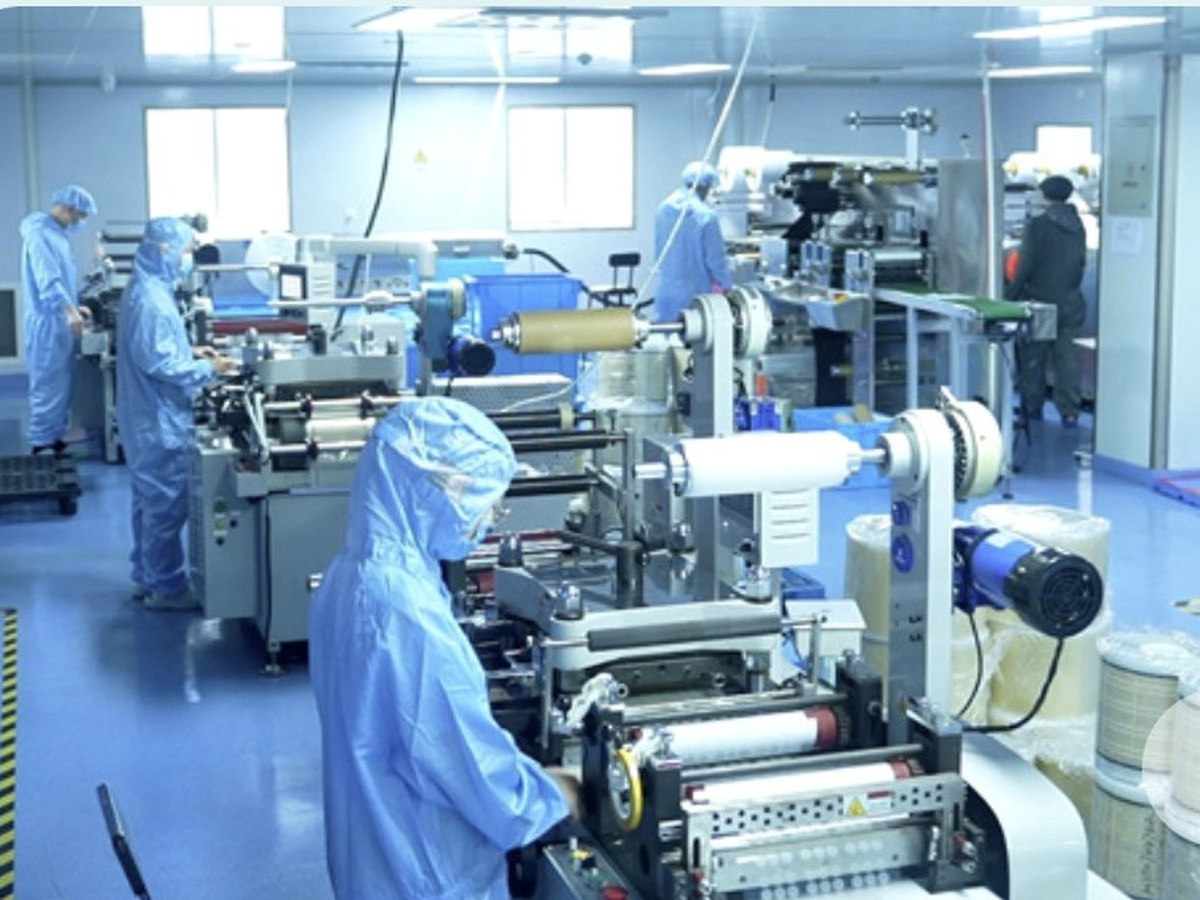
After a procedure, the skin is a wound, not a blemish. That single fact changes almost every specification: a thinner film, a gentler adhesive, no active ingredient, and a much shorter wear window. Clinics that buy patch stock for post-procedure use are not buying the retail product in a bigger box.
Three stages, three different patches
The same patient needs different things on day zero and day five. Matching the patch to the stage is the whole exercise.
oozing, warm, sensitive
granulating, still exuding
closed, pink, fragile
Where clinics get into trouble is using one SKU across all three stages. A thick patch left on for two days over a fresh wound concentrates fluid against the edge and lifts early; a thin patch on a still-exuding site saturates in hours and looks like product failure to the patient.
What clinics ask before they place a first order
Clinic procurement is stricter than retail buying, and the questions repeat:
Is it latex-free and fragrance-free? Not a marketing line — a screening question, because a reaction in a treatment room costs far more than the product.
Sterile or non-sterile? These are different products with different validation. A hydrocolloid patch sold as a cosmetic is not automatically a sterile dressing, and the pack must not imply otherwise.
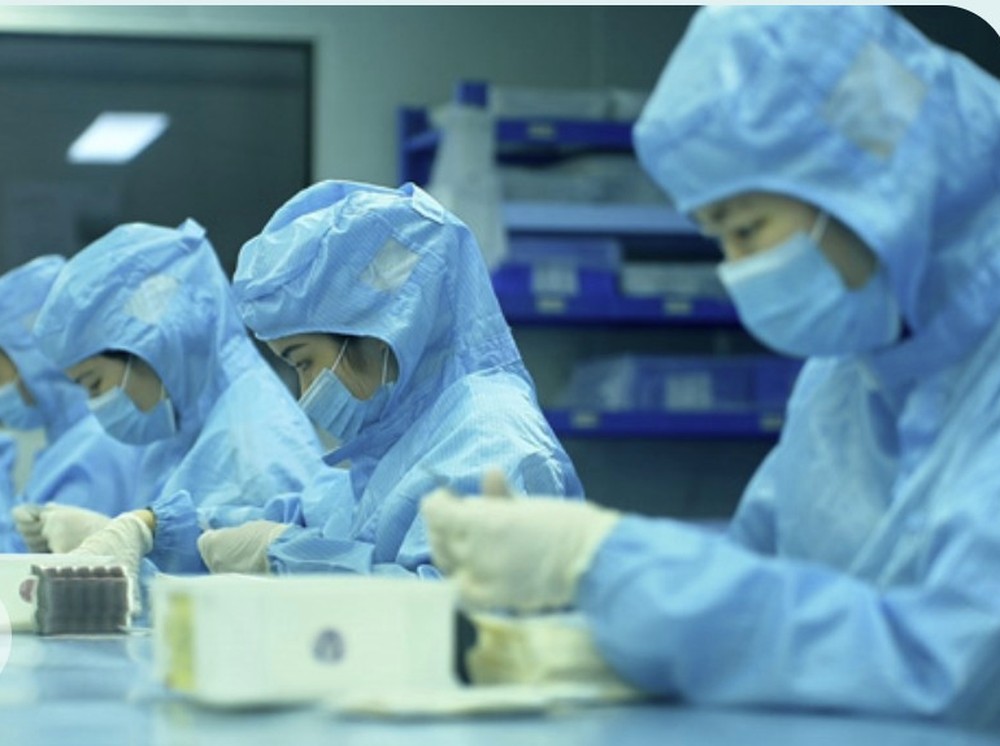
What is in the pack? Unit-dose sachets cost more per patch and are easier to dispense and record; a bulk box is cheaper per unit but requires handling.
Can you trace the lot? If a patient reacts, the clinic needs to name the batch. Anything shipped without a lot code is a liability, not a saving.
Packaging inside a treatment room
The claim boundary is narrower than the retail one
Retail copy can talk about covering a spot. Clinic-facing copy sits next to a professional who will be asked "will this scar". That is where manufacturers cause problems for their customers.
What we will print: absorbs exudate, protects the area, reduces friction, stays in place for a stated wear time. What we will not print on a cosmetic-route pack: heals, prevents infection, reduces scarring, promotes recovery. Those sentences require a device or medicinal route with its own technical file and evidence — and the decision belongs to the brand that puts its name on the pack, with its own regulatory adviser.
We are a manufacturer, not a clinician. Nothing here is a treatment protocol. Stage-by-stage selection should follow the treating clinician's own instructions; our role is to make the specification match what they have decided.
What a clinic order actually looks like
Volumes are small and repeat often — a few thousand units at a time, ordered against a known procedure list. That suits our line setup rather than fighting it: samples run in seven days, approval in seven, and a PO reaches mass production in about half a month. If the clinic wants a printed logo on the backing card, that is a plate and artwork approval, not a new formula.
The documents that come with it matter as much as the patch: a certificate of analysis per lot, a statement of composition, and a shelf life the clinic can write on its own storage log. Ask for all three before the first order, not after the first complaint.