ODM: When You Want the Formula
- Share
- Issue Time
- Nov 13,2026
Summary
ODM acne patches: what you can change on an existing platform, what needs a new formulation, and why the claim — not the formula — decides the route.
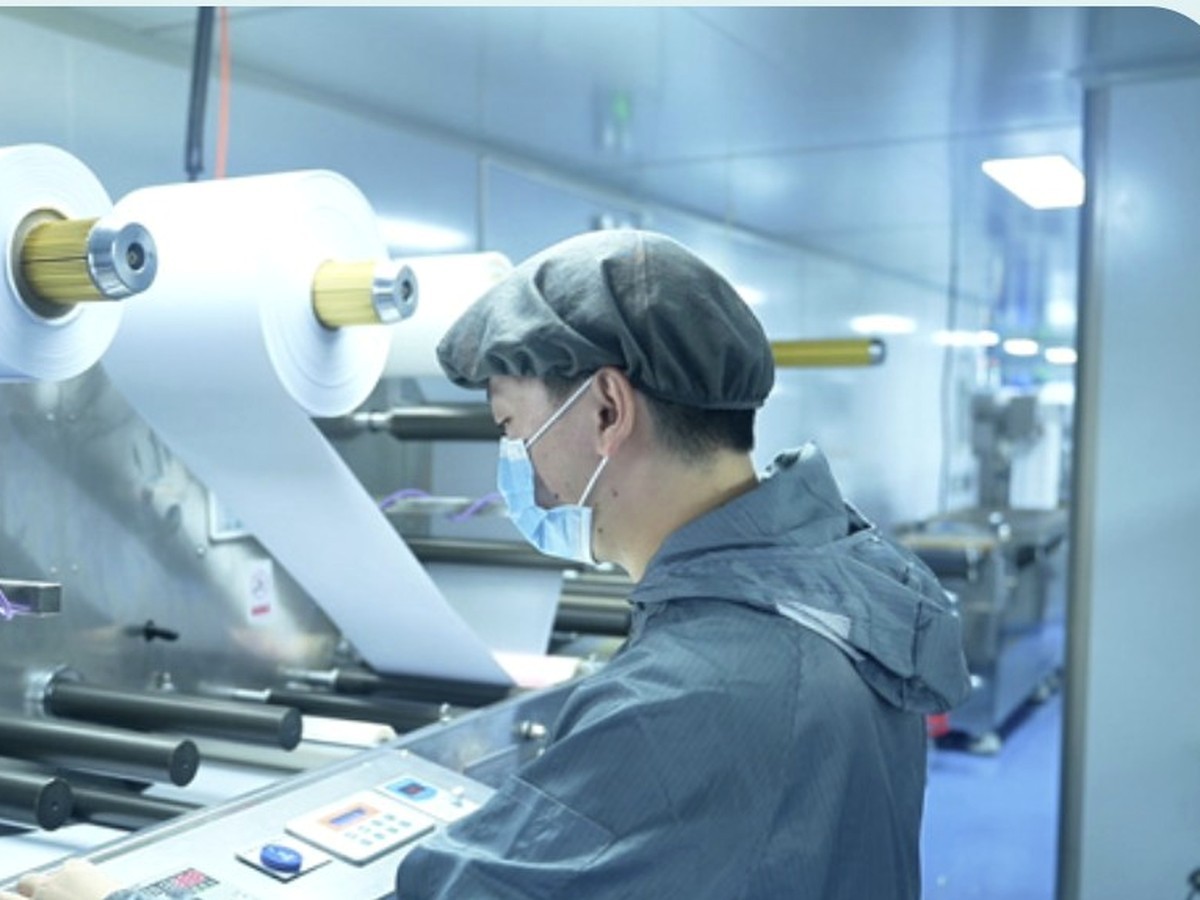
ODM means you choose from formulations we already run, instead of commissioning a new one. That buys you speed and removes the chemistry risk. It does not buy you the formula, and it does not buy exclusivity. The decision in front of you is not "which active ingredient" — it is "which matrix can carry that active without the patch failing on the shelf".
A patch formula is four decisions that move together
Buyers often arrive with a number: 0.5% salicylic, 1% niacinamide, a hyaluronic line. On paper that is one change. In a coated laminate it is four coupled ones.
This is why a quote for "the same patch plus 0.5% salicylic" cannot reuse the old price, and why an ODM platform is described by its matrix first and its active second. We run eight coating lines with working widths from 60 cm to 120 cm; the width does not change the chemistry, but it does decide how tight the die can nest, which is where a large part of the unit price actually sits.
What you can change, and what needs work behind it
The claim decides more than the formula does
Two packs can carry the identical patch and sit in different regulatory worlds. A patch positioned as a cosmetic — absorbs, covers, conceals — is one route. The same patch positioned as treating acne, or as a wound dressing for broken skin, is another, with a different technical file, different labelling and a different set of allowed sentences.
So the first question in an ODM conversation is not "what can you put in it" but "what do you intend to say on the pack". That answer decides whether an existing platform is usable at all. It is also why we will not print a claim the buyer's regulatory route does not support — the certificate number on our site (ISO 13485, cert. 69136) covers how the product is made, not what it is allowed to do.
What ODM does not give you
Three things, and they are worth saying plainly:
Exclusivity. A platform we run for other clients stays available to them. If you need the formula reserved, that is a separate commercial agreement, priced differently from a standard ODM run.
Ownership of the formula. You own your artwork, your brand, and any die you pay for — the tool sits in our workshop and is used only for your orders. The formulation itself stays with us. If you leave, you do not take it with you.
A shortcut to a drug claim. Choosing an ODM platform speeds up manufacturing. It does not shorten the regulatory path for a medicated claim.
How the timeline actually runs
Once the platform and the artwork are fixed: seven days for samples, seven days for your approval, then your PO — about half a month to mass production. A new die or a coating trial resets the clock at the point it is introduced, not at the end.
What usually delays a first order is not the factory. It is artwork arriving in the wrong colour space, a legal entity block that nobody has signed off, or a pack that has no space left for the lot code.
Five questions that separate two ODM suppliers
- Which platform is this, and what else runs on it?
- Can you send the CoA for the last three batches?
- What happens to the price if the active loading changes?
- Who holds the stability data, and for how long?
- If we leave, what do we keep?
Where ODM sits against the other two routes
If you own the design and the specification, the die is yours and the work is OEM. If you own only the brand and want a product already in production, it is private label. ODM is the middle: you shape the product from a menu that already works, and you accept that the menu is shared.
Most first-time buyers start with ODM precisely because it is the fastest route to a shelf without carrying formulation risk. The trade is real but bounded — and knowing it in advance is what stops a good launch from turning into a renegotiation two years later.