ISO 13485: What the Certificate Scope Actually Covers
- Share
- Issue Time
- Nov 12,2026
Summary
What an ISO 13485 certificate actually proves, four fields to check before you accept one, and the records a coating plant should be able to walk backwards.
A certificate is a record of an audit, against a scope sentence, on a date. Buyers check the logo and skip the sentence — which is where everything useful is. Two factories can both show "ISO 13485" and be describing different businesses: one coats and converts, the other trades and warehouses.
What our certificate actually says
The standard is ISO 13485:2016, the certificate number is 69136, and the scope covers the manufacture of hydrocolloid patches — coating, lamination and converting in our own plant in Hangzhou. Certification is by an external body, which audits annually for surveillance and re-issues the certificate on a three-year cycle. If a supplier's certificate is dated before 2016, the system was certified against a standard that has since been replaced.
What the certificate does not say. ISO 13485 certifies a quality management system. It does not certify that a patch absorbs, that it adheres for eight hours, or that it treats acne. Those are product claims, and they need a batch certificate of analysis and a regulatory route — not a logo.
Four fields to read before you accept any certificate
The scope sentence is the field that separates factories. "Manufacture of hydrocolloid patches" is a different claim from "distribution of medical consumables", and the second one will not survive a retailer's supplier approval even though both pass the logo test.
What an auditor samples in a coating plant
An ISO audit is a sampling exercise, and it follows the product rather than the org chart. In practice it lands in five places.
Traceability, walked backwards. The auditor picks a carton and follows it to the coating run, the laminate lot and the incoming material inspection. If any step is reconstructed from memory instead of a record, the finding writes itself. This is also the test a buyer can run: ask for one carton's record pack.
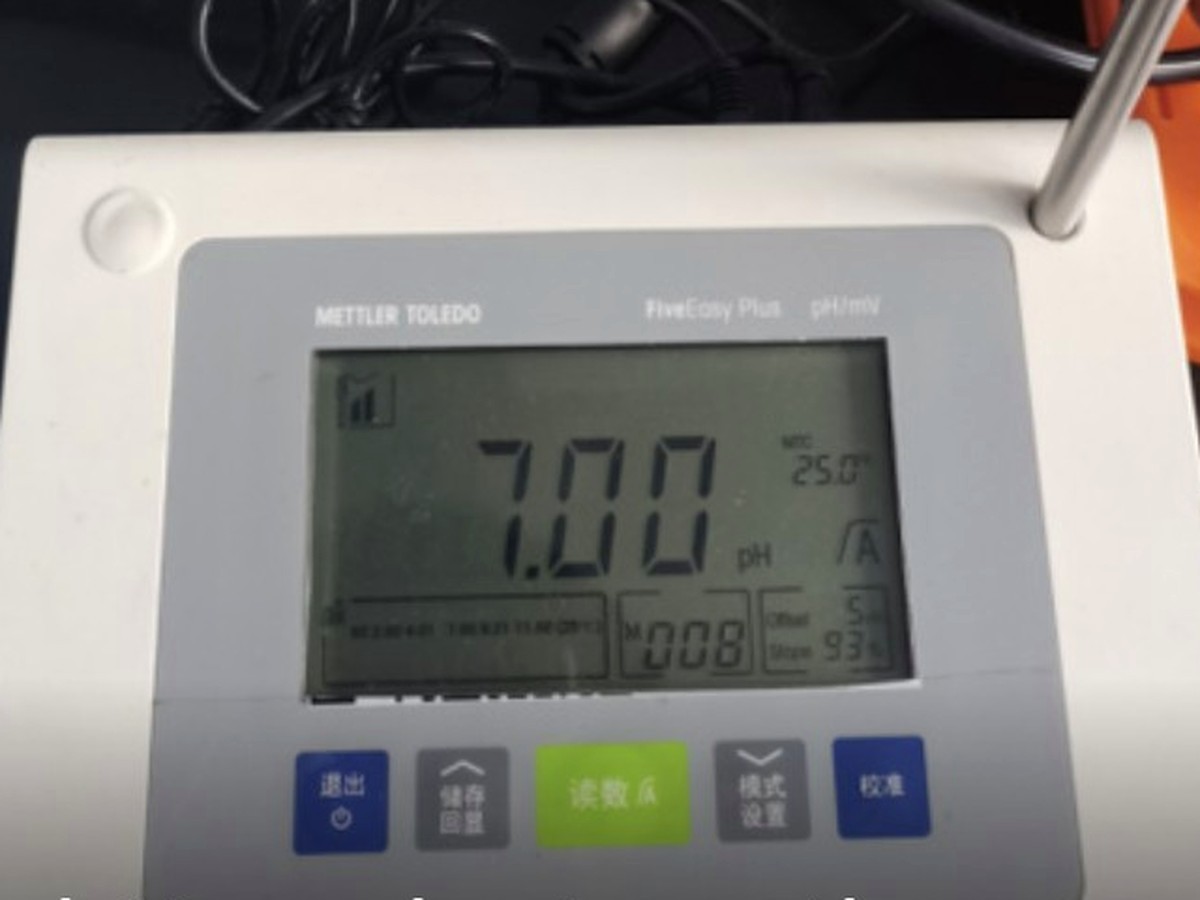
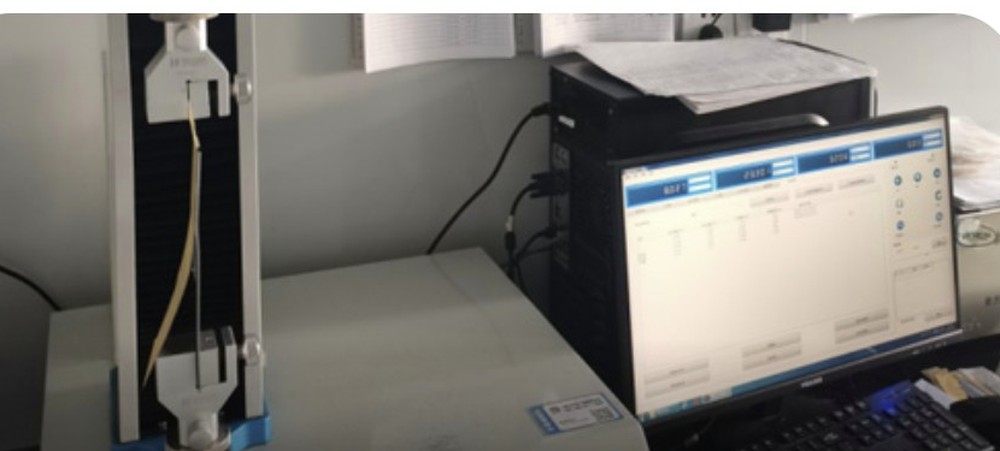
Instruments and calibration. Every measurement that a specification depends on needs a device with a calibration certificate inside its validity window — the micrometer used for thickness, the tensile tester used for peel, the pH meter used for incoming material. A gauge that is out of calibration invalidates the numbers it produced, which is why auditors go to the bench rather than the file cabinet.
Environment. Differential pressure across the cleanroom boundary, particle counts, gowning discipline and the environmental monitoring record for the coating room. This is where a photo in a brochure and a monitored room diverge: monitoring leaves a chart with dates on it.
Supplier qualification and incoming inspection. Film, adhesive, liner and matrix raw materials each arrive with a specification and a record of what was checked. pH and thickness checks on incoming material are the cheapest place to stop a problem, and auditors know it.

CAPA and management review. The least photogenic part and the most diagnostic. A factory with no non-conformities in three years is not a factory with no problems; it is a factory whose reporting does not work. What the auditor wants to see is a finding, a root cause, a change, and evidence the change held.
The documents worth asking for
None of these require an NDA, and all of them are more informative than the certificate PDF:
What we do not send is other clients' records or full internal audit reports. That is not secrecy about the certificate; it is the same confidentiality that keeps your artwork out of someone else's folder.
Where the quality system ends and the claim begins
Henso's facility registration is FEI 3012706495, with owner/operator number 10057010. That registration tells a customs officer and an importer who made the goods and where. It is not a product approval, and no patch from any factory should be marketed as "FDA approved" — the phrase does not exist as a status for this product category.
Whether your patch can say it treats acne, or must present itself as a cosmetic dressing, is decided by the regulatory route you choose in your market, not by the factory's certificates. A factory that tells you otherwise is selling you confidence rather than compliance.
Import paperwork is the other half of the same question. What a US importer is actually required to hold, and what our facility registration does and does not cover at the border, is set out in FDA requirements for importing hydrocolloid acne patches into the US.
A ten-minute check you can run yourself
Verify the number, not the logo. Take the certificate number to the issuing body's register. A certificate that cannot be found there is a PDF, not a certification.
Read the scope out loud. If the sentence does not contain the words that describe what you are buying, ask why — in writing.
Ask what the last non-conformity was. A supplier who can describe one, and what changed, is more credible than one who reports none.
Ask for one carton's records. One traceability walk tells you more about a plant than a day of presentations.
Ask for the certificate page, a batch record pack and a COA template — we send the first two the same day.
Request the compliance pack