How Hydrocolloid Actually Works: Absorption, Occlusion and the Limits
- Share
- Issue Time
- Aug 29,2025
Summary
Hydrocolloid absorbs and holds fluid; it does not extract or deliver. Which claims the mechanism supports, and which ones need a different product.
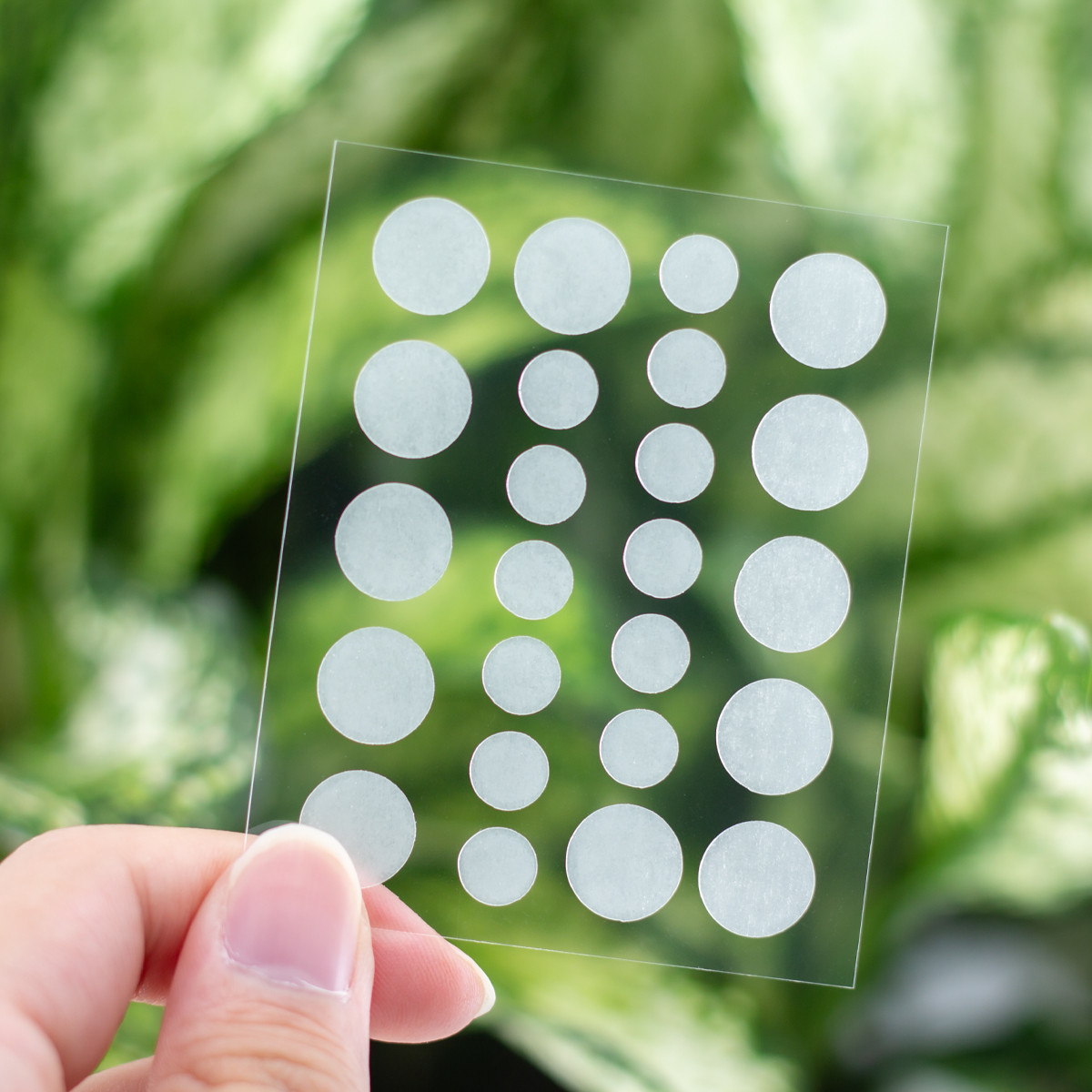
Hydrocolloid works by absorbing fluid and holding it, not by delivering anything. That single sentence explains both what the category is good at and where its marketing routinely overreaches.
The technology came out of wound care, where a dressing that gels and stays put is genuinely useful. Understanding the mechanism makes it obvious which claims a patch can support and which ones need a different product to sit behind them.
The mechanism, step by step
Seal
The adhesive face closes the patch against skin. Nothing passes in or out at the edge, which is why adhesion is a performance spec and not a comfort detail.
Absorb
The matrix draws fluid and swells into a gel. That is what produces the white, raised patch people photograph after a night's wear — it is a sign of absorption, not of anything being extracted.
Hold
The gelled mass stays inside the patch, keeping the surface underneath moist and protected from friction, fingers and makeup.
Release
Removal takes the gel with it. What stays on skin is the surface as it was, plus whatever happened under occlusion.
What that supports, and what it does not
The last row is where product categories get confused. A plain patch is a dressing. A patch with salicylic acid or niacinamide is a formulated product with its own regulatory position. Both are sold as "acne patches", and the pack copy for one cannot be reused for the other.
Why the "white plug" is misunderstood
When a patch turns opaque white and swells, the visible mass is hydrocolloid that has absorbed fluid — it is not the contents of the blemish lifted out. This matters commercially: brands that market the effect honestly keep customers, and brands that promise extraction get returns when the patch does not "pull" anything on a dry, closed spot.
The effect is largest on a blemish that is already open or weeping, and smallest on a flat closed one. That is a mechanism difference, not a product quality difference — and it is worth saying so on the pack, because it manages the expectation that drives reviews.
What the limits imply for product design
If absorption is the function, then the specifications that matter are thickness, absorption capacity and adhesion — not the ingredient story. If a claim beyond absorption is the goal, the product needs an active and the regulatory route that goes with it, which is a different project with a different timeline.
For how those specifications are written down, see construction and specification; for what to do when the patch will not stay on, see why patches lift.
Tell us the claim you want on the pack and we will tell you whether plain hydrocolloid can support it, or whether the product needs an active formulation and the testing that comes with one.
Request a quote