Decoding Microdart Patches: The Science-Backed Ingredients for Flawless Skin
- Share
- Issue Time
- Feb 5,2026
Summary
Dive deep into the world of microdart patches and uncover the powerhouse ingredients that make them a revolutionary force in skincare. From hyaluronic acid to salicylic acid, learn how this innovative technology targets acne, wrinkles, and dark spots with unparalleled precision and efficacy.
Unpacking the Power: A Deep Dive into Microdart Patch Ingredients
You've seen them buzzing on social media and praised by dermatologists: tiny, targeted patches promising to tackle everything from stubborn cystic acne to fine lines. But what is the magic behind microdart patches? The secret lies in a combination of innovative delivery technology and a potent cocktail of active ingredients. Unlike traditional topical treatments that sit on the surface, microdart patches use hundreds of microscopic, self-dissolving needles to deliver powerful ingredients directly to the source of the problem, deep within the skin. This ensures maximum absorption and faster, more visible results. Let's delve into the science and uncover the key players that make these patches a game-changer in modern skincare.
What Exactly Are Microdart Patches?
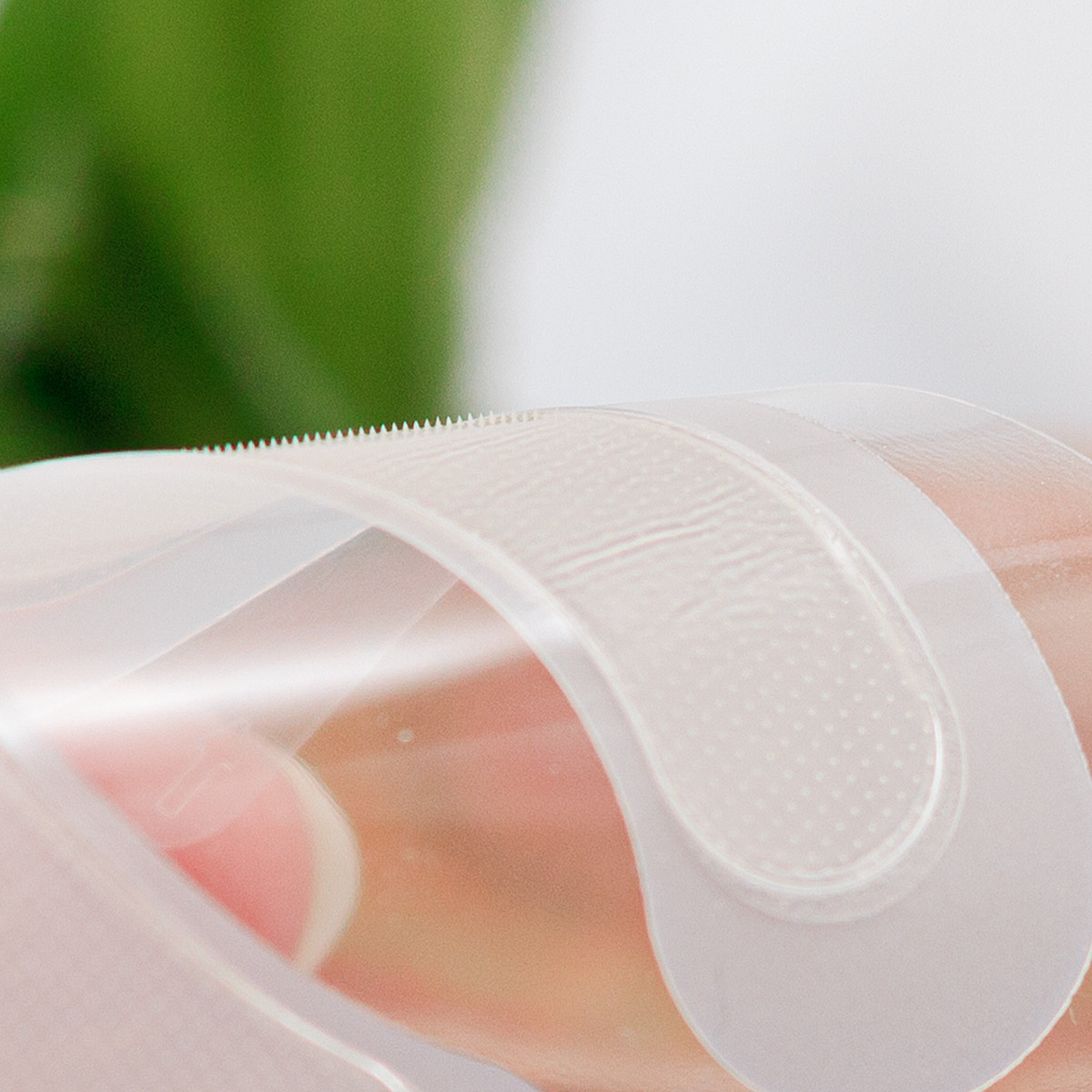
Think of a microdart patch as a smart, targeted delivery system. Each patch is embedded with numerous tiny, cone-shaped structures—the “microdarts”—often made from a biocompatible material like crystallized hyaluronic acid. These darts are so fine they can painlessly penetrate the outermost layer of your skin, the stratum corneum, which typically acts as a barrier to skincare products. Once applied, these darts begin to dissolve over a few hours, releasing their payload of concentrated ingredients directly into the desired skin layer. This method is far more efficient than a standard serum, which can struggle to penetrate effectively.
The Science: How Microdarts Revolutionize Ingredient Delivery
The brilliance of microdart technology is its ability to bypass the skin's primary defensive layer. The stratum corneum is excellent at keeping things out, which unfortunately includes the beneficial ingredients in many creams and serums. By creating temporary, microscopic channels, microdarts ensure that active compounds are delivered with precision and potency. This technology allows for the targeted treatment of early-stage, under-the-skin blemishes before they fully surface, as well as the effective treatment of concerns like hyperpigmentation and fine lines. The darts themselves are typically made of dissolving hyaluronic acid, which provides a hydrating base as it releases other key actives.
The Ultimate Hydrator: Hyaluronic Acid
Hyaluronic Acid (HA) is the foundational ingredient of most microdarts for a reason. This powerful humectant, naturally found in our skin, can hold up to 1,000 times its weight in water. When used as the material for the microdarts, HA serves a dual purpose. First, it forms the physical structure of the dissolvable needles. Second, as it dissolves, it releases a surge of deep hydration into the skin. This plumps the area, reducing the appearance of fine lines and ensuring the skin remains moisturized and comfortable, which is especially important when using potentially drying ingredients like salicylic acid.
The Blemish Buster: Salicylic Acid
For those battling acne, salicylic acid is a hero ingredient. As a Beta Hydroxy Acid (BHA), it is oil-soluble, meaning it can penetrate deep into pores to exfoliate from within. It effectively dissolves the mixture of sebum (oil) and dead skin cells that clogs pores and leads to breakouts. By delivering salicylic acid directly into a forming blemish via microdarts, these patches can stop a pimple in its tracks, reducing inflammation and congestion before it becomes a full-blown problem. This targeted approach minimizes irritation to the surrounding skin, which can often occur with traditional, all-over acne treatments.
The Brightening Powerhouse: Niacinamide
Niacinamide, a form of Vitamin B3, is a multi-tasking superstar in the skincare world. It is celebrated for its ability to improve skin texture, reduce redness, and strengthen the skin's natural barrier. In microdart patches, niacinamide helps to calm the inflammation associated with acne and can be particularly effective in addressing the aftermath of a breakout: post-inflammatory hyperpigmentation (the dark spots left behind). By helping to regulate oil production and improve skin tone, niacinamide contributes to a clearer, more even complexion.
The Soothing Savior: Centella Asiatica (Cica)
For skin that is red, irritated, and inflamed, Centella Asiatica—also known as Cica or Tiger Grass—is a go-to calming agent. This botanical extract is rich in compounds that have powerful anti-inflammatory and healing properties. When delivered via microdarts, Cica can quickly soothe the angry redness of a cystic pimple or other irritation. It helps to support the skin's healing process, reducing discomfort and promoting a faster recovery, making it an excellent partner to more aggressive active ingredients.
Battling Dark Spots: Brighteners Like Vitamin C & Tranexamic Acid
Microdart patches aren't just for acne. They are also incredibly effective for treating localized hyperpigmentation, such as sun spots or post-acne marks. For this purpose, patches are often infused with powerful brightening agents. Vitamin C, a potent antioxidant, helps to inhibit melanin production and protect the skin from free radical damage. Tranexamic Acid is another key player, known for its ability to target discoloration and even out skin tone. Delivering these ingredients deep into the skin ensures they work directly on the cells responsible for pigmentation, leading to more effective fading of dark spots.
Anti-Aging Allies: Peptides and Growth Factors
To combat fine lines and wrinkles, microdart patches deploy anti-aging powerhouses like peptides. Peptides are short chains of amino acids that act as building blocks for proteins like collagen and elastin. When delivered into the skin, they can signal the skin to produce more of these structural proteins, resulting in firmer, smoother skin. Some advanced patches may also include growth factors, which are proteins that stimulate cell growth and repair, further enhancing the skin's regenerative processes for a more youthful appearance.
Choosing the Right Patch for Your Skin Concern
With a growing market, it's essential to choose a patch formulated for your specific needs. The effectiveness of a microdart patch is entirely dependent on its active ingredients. Here is a simple guide:
| Skin Concern | Key Ingredients to Look For |
|---|---|
| Early-Stage/Cystic Acne | Salicylic Acid, Tea Tree Oil, Succinic Acid, Niacinamide |
| Fine Lines & Wrinkles | Hyaluronic Acid, Peptides, Copper Tripeptide, Adenosine |
| Dark Spots & Hyperpigmentation | Niacinamide, Vitamin C, Tranexamic Acid, Kojic Acid, Arbutin |
| General Redness & Irritation | Centella Asiatica (Cica), Madecassoside, Beta-Glucan |
How to Maximize the Efficacy of Your Microdart Patches
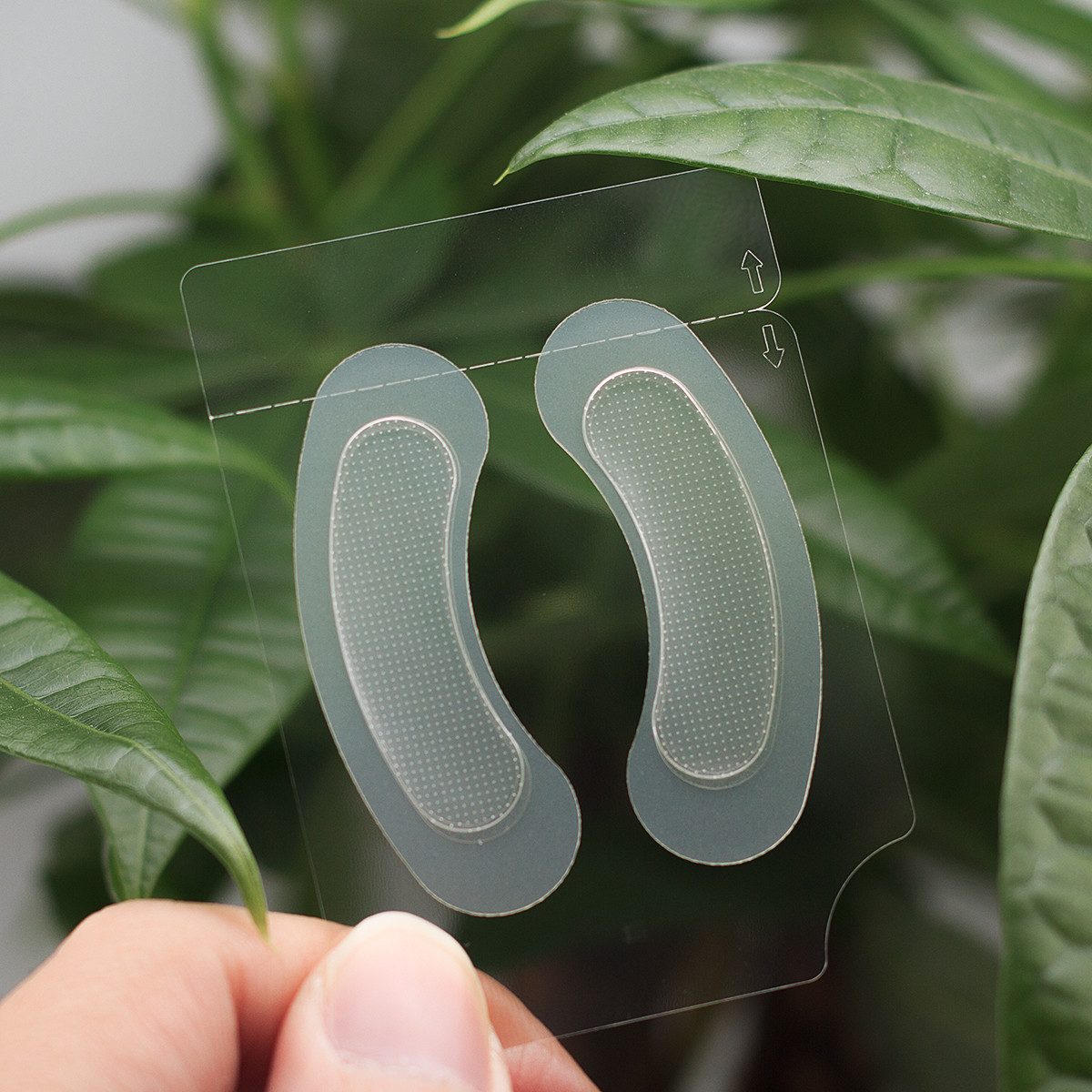
To get the most out of your microdart patch, proper application is key. Always start with clean, completely dry skin; any moisture or oil can prevent the patch from adhering properly and the darts from penetrating. Many patch kits come with a cleansing swab (often containing salicylic acid or tea tree oil) to prep the area. After prepping, press the patch firmly onto the spot for 15-30 seconds. You might feel a slight tingling sensation as the darts penetrate the skin—this is normal. For best results, leave the patch on for at least six hours, or preferably overnight, to allow the darts to fully dissolve and release their ingredients.
Are There Any Side Effects?
Microdart patches are generally considered safe for all skin types, including sensitive skin. The micro-needles are designed to be painless and minimally invasive. The most common sensation is a slight prickling upon application, which quickly subsides. Redness at the application site is possible but is usually temporary. As with any skincare product, there is a small risk of irritation or allergic reaction to one of the active ingredients. If you have extremely sensitive skin, it's always wise to check the ingredient list for any known triggers. However, because the treatment is so targeted, the risk of widespread irritation is significantly lower than with traditional products.