Acne Stickers, Dots and Blemish Patches: One Product, Four Names
- Share
- Issue Time
- Nov 11,2026
Summary
The same hydrocolloid sheet is sold as acne stickers, acne dots, blemish patches or spot plasters — and the word on the pack decides the aisle, the claim you may print, and who finds it. A naming playbook for a range that travels.
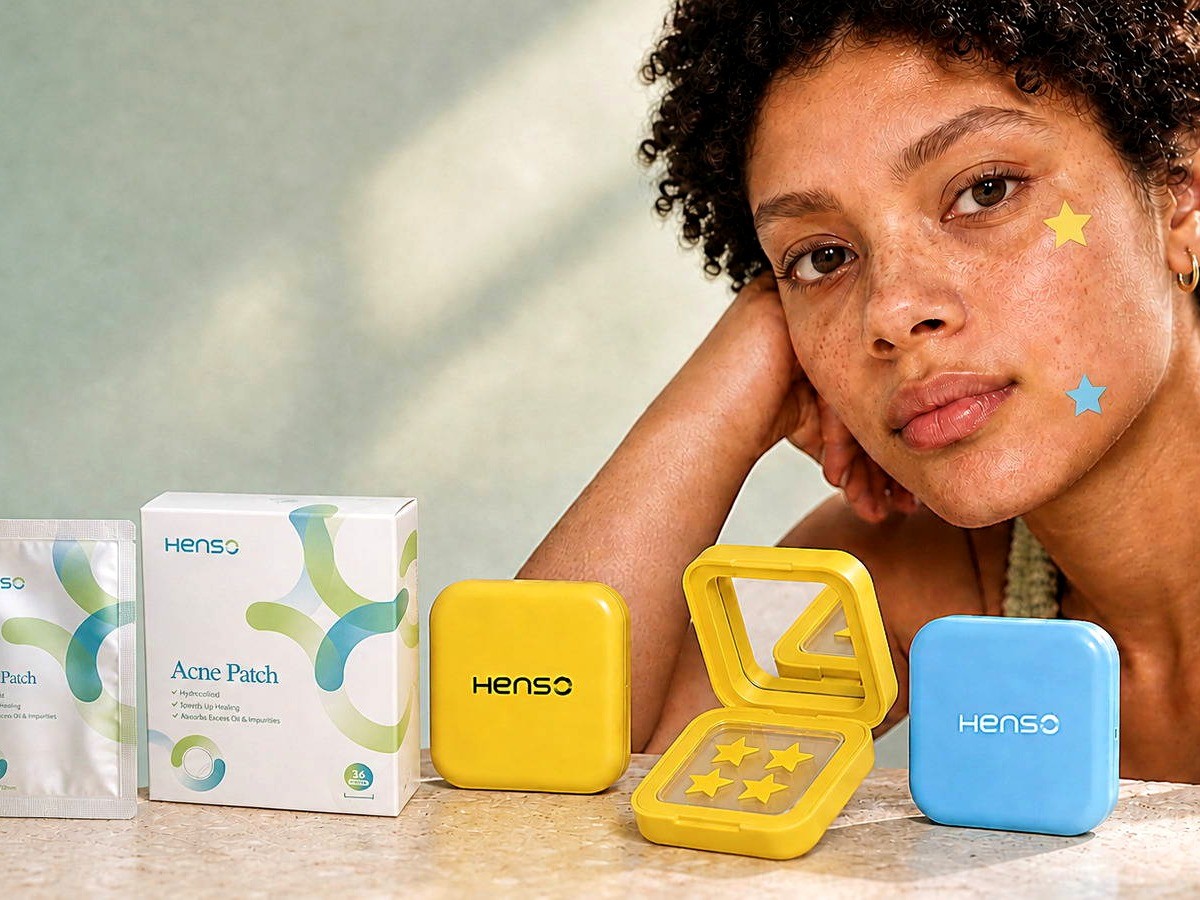
Acne stickers, acne dots, blemish patches, spot plasters — they are the same product. What changes between the words is not the patch but the shelf it sits on, the claim you can print, and who is searching for it.
This matters commercially. A launch that names its range in the wrong vocabulary loses the query before it loses the sale: a UK teenager types "spot patches", a US parent types "acne stickers", a buyer for a pharmacy chain writes "blemish patches" in the tender. Same hydrocolloid, three doors.
Four names, four buyers
The vocabulary is not cosmetic. In the UK, "plaster" pulls the product towards first aid; in the US, "sticker" pulls it towards the toy aisle unless the pack art corrects it. A range that uses one word globally is always slightly wrong in two of its three markets.
Why "sticker" changes what you may print
The word on the front of the pack moves the product between regulatory categories. A dressing that absorbs exudate and covers a lesion is described in functional terms: absorbs, protects, cushions. A decorative sticker is a cosmetic accessory and can be sold on colour and character alone.
Both can be true of the same sheet of hydrocolloid. What you cannot do is mix them — a pack that calls itself a sticker and claims to speed healing is making an efficacy claim it has not substantiated, and a pack that calls itself a dressing while showing a licensed cartoon must satisfy the licensing file as well as the cosmetic one.
Decorative route. Character shapes, bright tins, gift sets. Claims stay on appearance and comfort. Fastest to market; the licence becomes the critical path, not the chemistry.
Functional route. Absorbs, protects, stays put for eight hours. Requires the technical file and the test backing. Slower, but it survives a pharmacy buyer's questions.
The mistake. Selling a decorative range with functional copy because it converts better in a listing. It reads well for a quarter and then becomes the reason a marketplace delists the SKU.
Naming a range so it travels
Three rules cover most launches. First, put the buyer's word on the pack and yours in the subtitle: "Acne Stickers — hydrocolloid spot patches" lets the shopper find it and the pharmacist accept it. Second, keep the SKU name mechanical rather than poetic: shape, size, count, format. "Star 12 mm × 36 tin" survives translation; "Glow Dots" does not.
Third, reserve one word for the mechanism. If "hydrocolloid" appears anywhere on the pack, it should mean the same thing across the whole range — otherwise the buyer's second order arrives with a different product inside.
Where the words came from
Henso has been making personalised patches since July 2018, when the first custom-printed acne patch we built went to a US client. That work is why the naming conversation is familiar: a character programme, a shaped die and a licensed brand all arrive together, and the vocabulary has to satisfy the licensor, the retailer and the customs declaration at once.
Today the vocabulary in our order book is roughly split between acne patches, pimple patches and stickers, with "dots" and "blemish patches" trailing. We do not push a client towards one word; we ask which shelf the product is going on, and the word follows.
Checklist before you print
If you already have a name
Renaming an existing range costs more than it looks. Pack artwork, listing titles, barcodes and the retailer's planogram all reference the old word, and marketplaces treat a title change as a new listing unless the parent SKU stays fixed. Two ways through: keep the registered name and add the buyer's word as a subtitle (cheapest), or launch the new vocabulary as a second range with its own die and its own shelf story (cleanest, slower).
What does not work is a silent switch — the same SKU arriving with different words on the pack. Buyers read that as a reformulation, and the reviews follow.
Send us the shelf, not the slogan. Tell us the market, the channel and the pack format; we will tell you which word the range should lead with, and cut the die to match.
Ask for a naming review